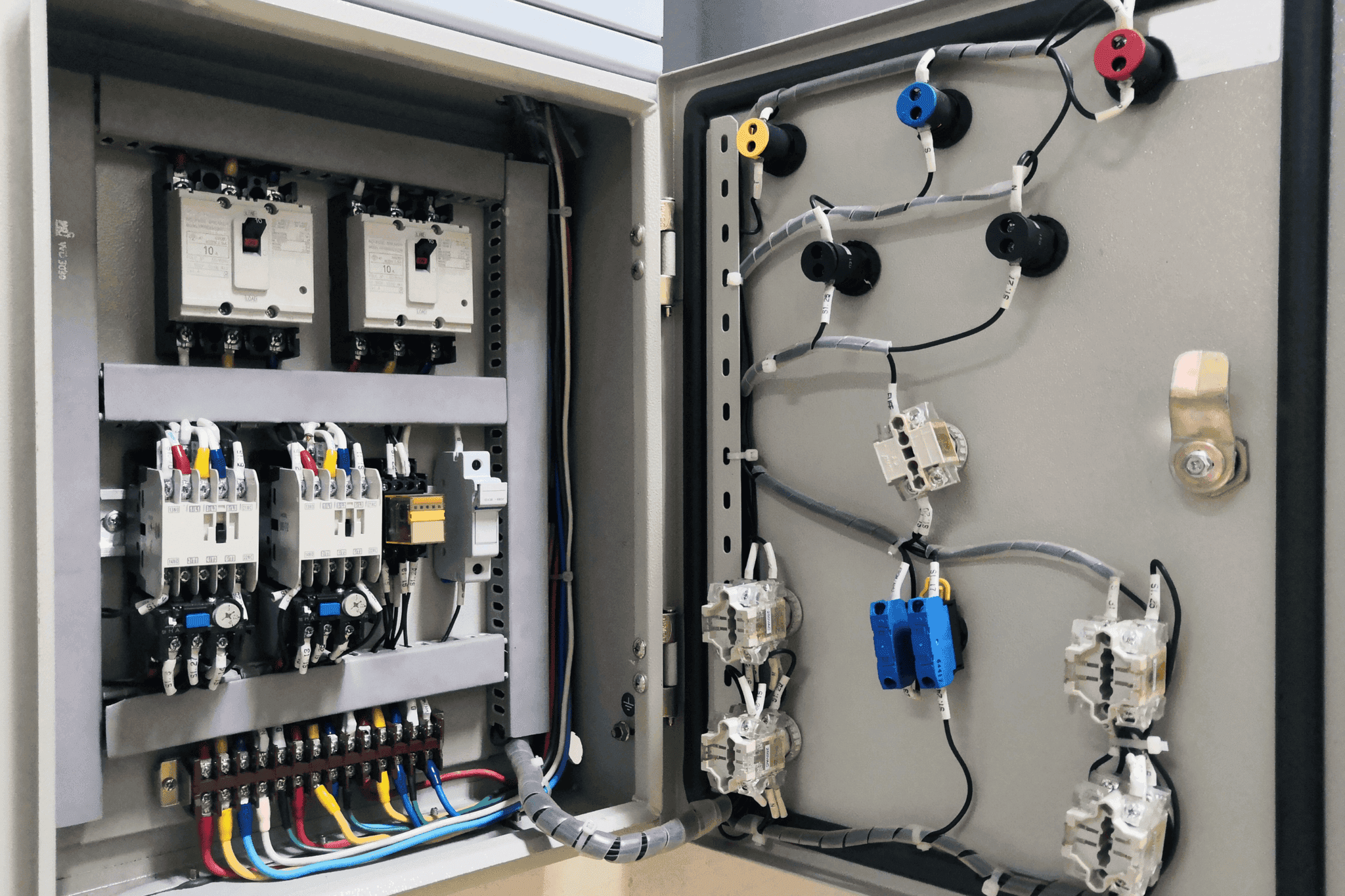
A poorly closed selectivity study only shows up on the day of the fault — when an upstream breaker trips and takes down half the plant.
A coordination study is not a shelf document. It is the translation, into settings, of an engineering decision: which protection should act first and how fast. When that decision is not revisited after plant changes, the study becomes fiction.
The first mistake is using outdated nameplate data. Replaced motors, retapped transformers and reinforced cables change short-circuit currents. A study fed with a five-year-old single-line diagram produces settings that protect nothing.
The second is ignoring transformer inrush current and large motor starting. A badly placed instantaneous setting trips on energization — and the operational response is usually to disable the function, which is worse than the original problem.
The third is treating selectivity only in the time domain. In installations with modern low voltage breakers, logic and zone selectivity solves what the time-current curve alone cannot, without penalizing fault clearing time.
The fourth is not closing the loop in the field. A study delivered as a PDF, without the settings being applied and tested in the relay, protects no one. Parametrization and secondary testing are part of the scope, not an extra.
The fifth — and the most expensive — is not considering arc flash. Settings that prioritize only selectivity can drastically raise incident energy at a panel. The right calculation balances operational continuity against the safety of whoever operates it.